
Legionella risk assessments aren’t just a regulatory requirement — they’re a cornerstone of responsible building management and essential for protecting the people who use your facilities every day. In a world where businesses are expected to prioritise health, safety, and compliance, understanding the risks within your water systems has never been more important. This blog will explore why Legionella risk assessments matter, the dangers of overlooking them, and how taking proactive steps can safeguard your organisation from legal, financial, and reputational harm. Whether you manage a single building or a multi-site estate, the insights ahead will help you make informed decisions and strengthen your approach to water safety.
“Safety isn’t created in a single moment — it’s built through awareness, consistency, and the courage to act before problems arise”.
Legionella risk assessments play a vital role in identifying how water systems behave, where vulnerabilities may exist, and how these risks can impact the health and safety of building occupants. Many businesses are surprised to learn that something as routine as a poorly maintained hot water cylinder, an unused tap, or inadequate temperature control can create ideal conditions for Legionella bacteria to thrive. In fact, outbreaks are often linked to issues that could have been detected early through proper assessment and monitoring. By analysing system design, usage patterns, maintenance history, and environmental factors, a risk assessment provides a clear picture of the safeguards already in place — and highlights critical gaps that need attention. This proactive approach not only helps prevent waterborne illness but also supports compliance with legal frameworks such as ACoP L8 and HSG 274, protecting businesses from costly penalties or reputational damage.
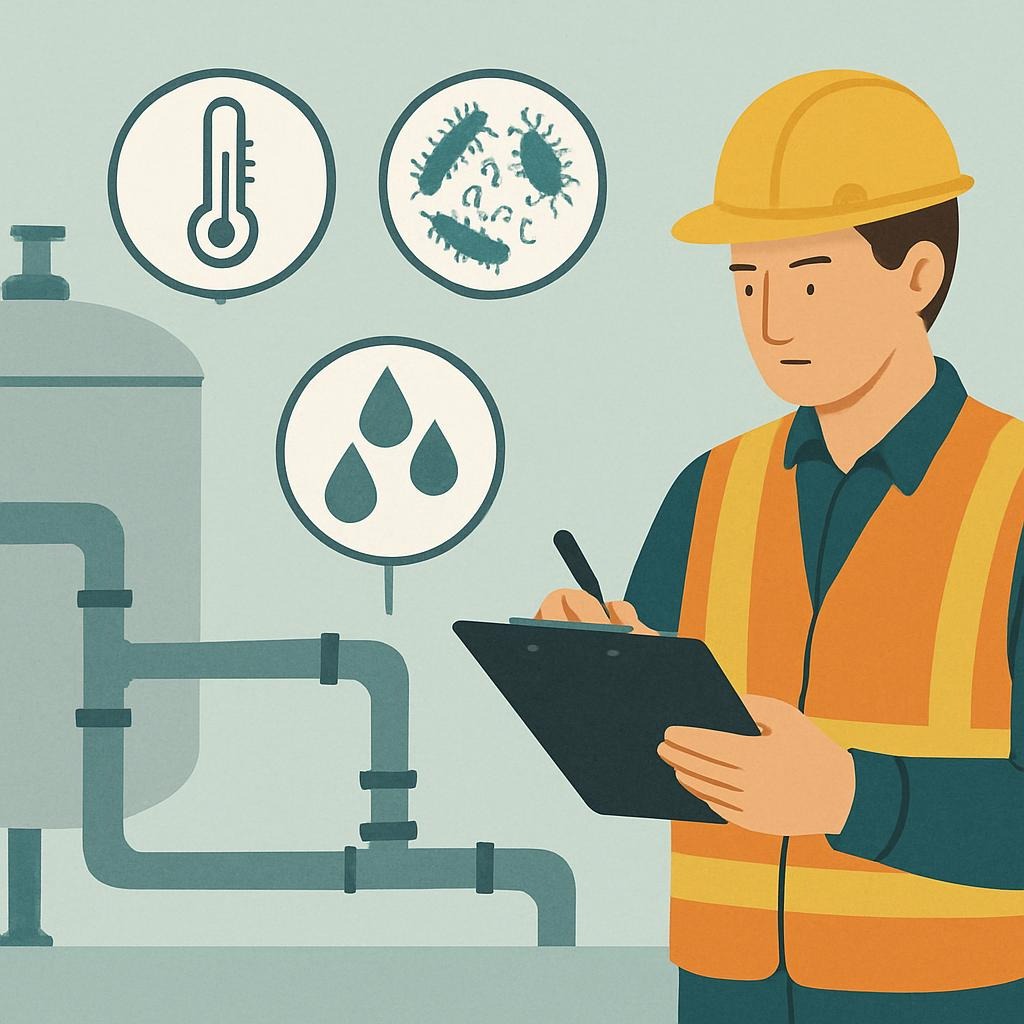
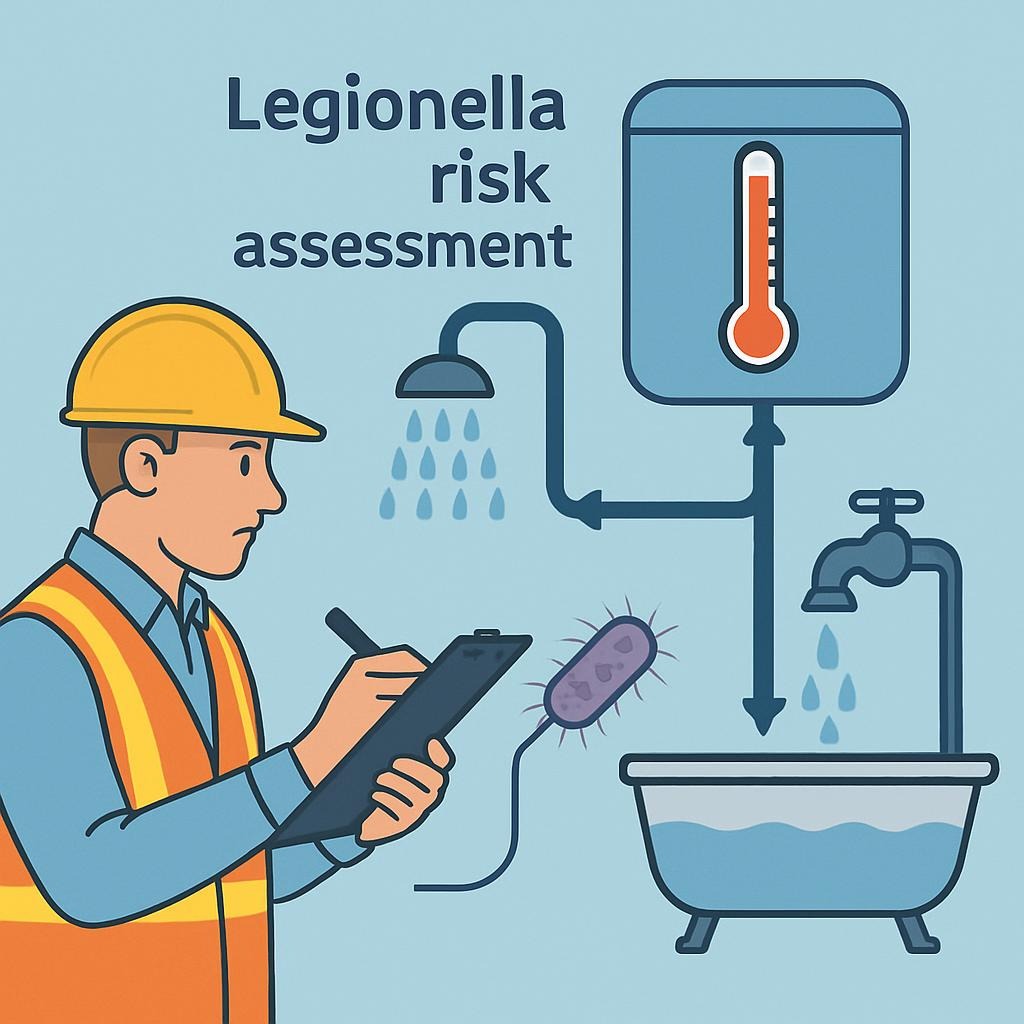
While many businesses understand that Legionella poses a health risk, fewer fully appreciate how easily these risks can arise — even in systems that appear to be functioning normally. It’s natural to question whether a full assessment is necessary, especially if no previous issues have been recorded, but hidden problems such as stagnation, poor insulation, system dead legs, or failing thermostatic controls often go unnoticed until they become serious. This is where a professional assessment brings real value: it provides clarity, removes assumptions, and offers an objective view of your building’s water safety. By recognising that risk is not always visible, businesses can shift from a reactive mindset to a proactive one, ensuring they stay ahead of potential challenges rather than responding to them after the fact. This transition is key as we move toward exploring the long-term benefits of robust water management and compliance.
Moving Forward with Confidence
A well-executed Legionella risk assessment gives businesses the clarity and assurance they need to manage water systems safely and responsibly. By recognising potential hazards early, staying compliant with regulations, and committing to proactive monitoring, organisations can protect both their people and their reputation. As you reflect on the insights shared in this article, consider how these principles apply to your own operations and what steps you can take to strengthen your approach to water safety. Whether it’s scheduling an assessment, reviewing your current controls, or simply raising awareness within your team, every action contributes to a safer environment. By moving forward with confidence, you ensure your business remains resilient, compliant, and prepared for the future.
Leave a Reply