
Cold water storage tanks are a common feature in many commercial and older buildings across the UK. When properly maintained, they play an important role in supplying water throughout a system.
But when things go wrong, they can quickly become one of the highest Legionella risk assets on site.
So, when does a cold water storage tank actually become a problem?
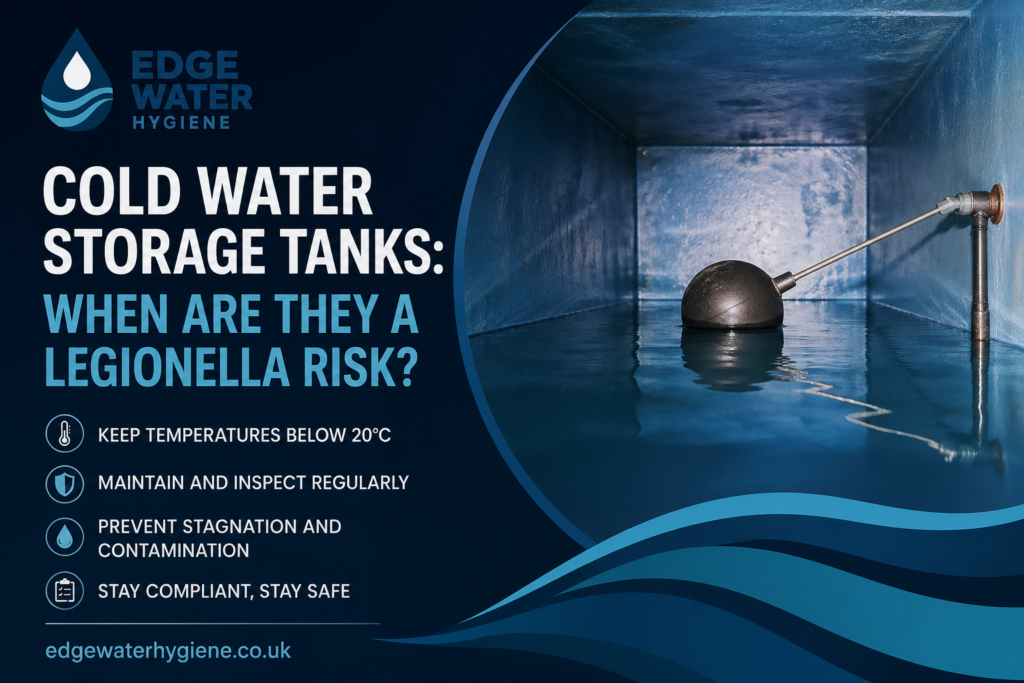
What Is a Cold Water Storage Tank?
A cold water storage tank stores incoming mains water and distributes it throughout a building. You’ll typically find them in:
- Roof spaces
- Plant rooms
- Service risers
They’re often used where mains pressure alone isn’t sufficient to supply the building.
Why Are Cold Water Tanks a Legionella Risk?
Legionella bacteria thrive in specific conditions — and unfortunately, poorly maintained tanks can provide exactly that.
The key risk factors are:
- Water temperatures between 20°C and 45°C
- Stagnation
- Sediment and biofilm
- Lack of regular maintenance
Guidance from the Health and Safety Executive and ACoP L8 makes it clear: stored cold water should ideally be below 20°C.
Once temperatures creep above this, risk starts to increase.
Common Issues Found During Risk Assessments
From real site experience, these are some of the most common problems found in cold water storage tanks:
1. Elevated Water Temperatures
It’s not unusual to find tanks sitting above 20°C — especially in:
- Roof spaces during summer
- Poorly insulated areas
Even “slightly” elevated temperatures (e.g. 22–24°C) can indicate a developing issue.
2. Poor Tank Condition
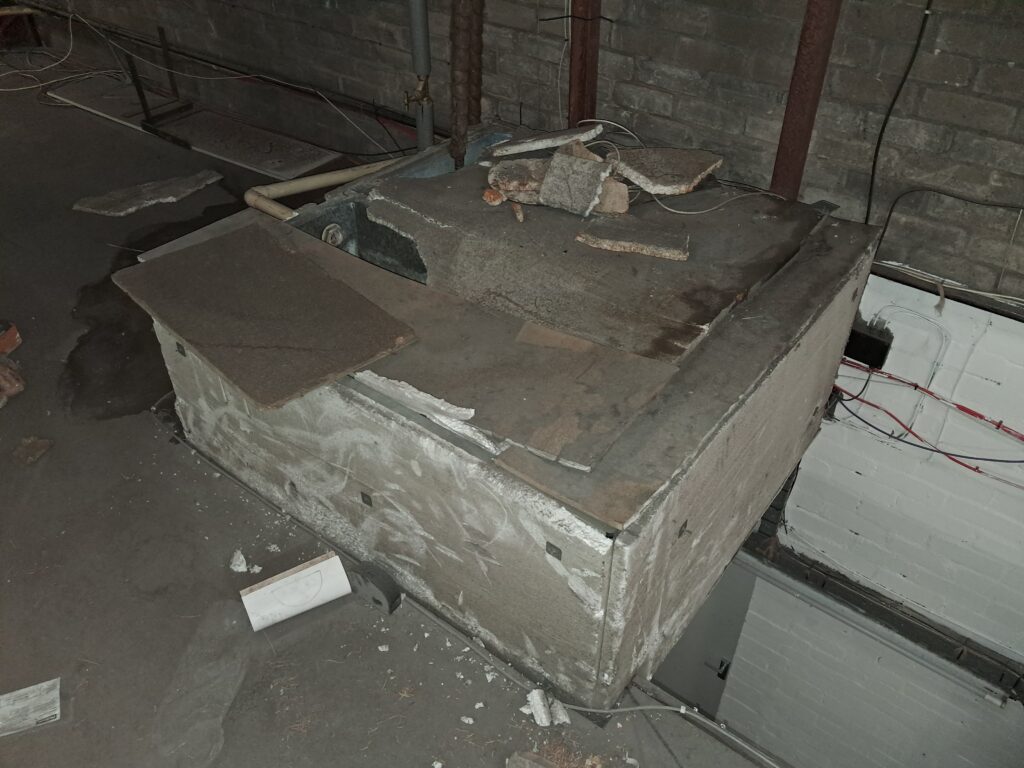
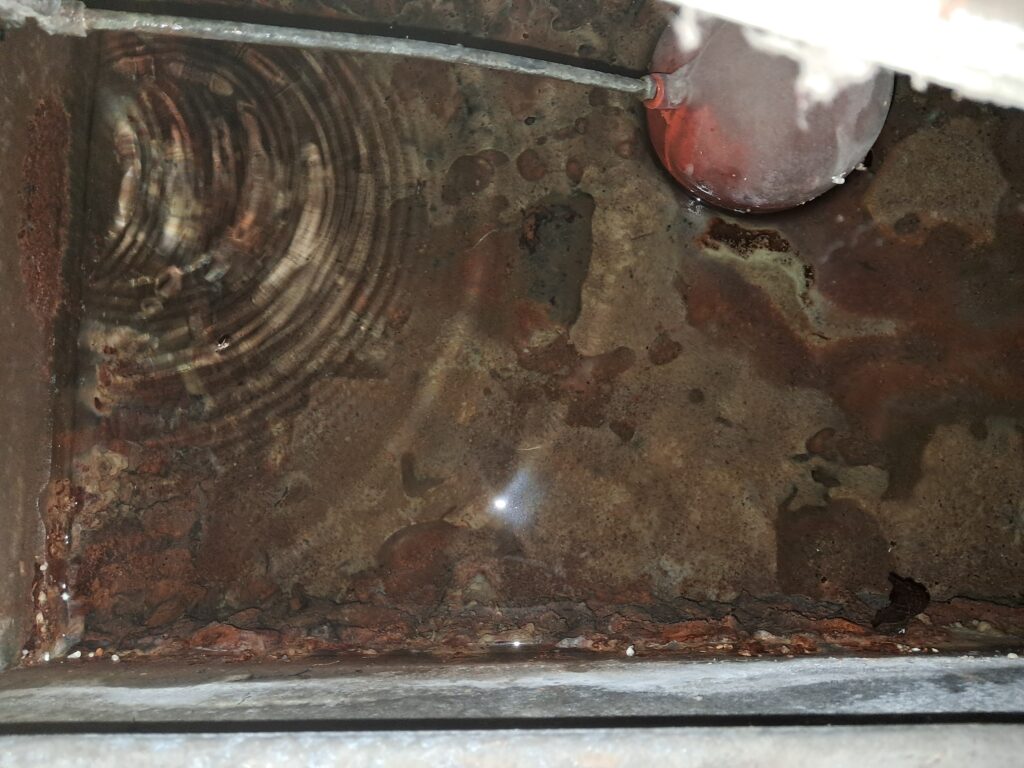
Common examples include:
- Internal corrosion
- Scale build-up
- Organic debris
These create ideal conditions for bacteria to grow and multiply.
3. Inadequate or Damaged Lids and Screens
Tanks should be properly sealed to prevent contamination.
Issues often include:
- Missing or poorly fitted lids
- Damaged insect screens
- Gaps allowing debris or pests to enter
4. Stagnation and Oversizing
Oversized tanks or low usage can lead to water sitting for long periods.
This results in:
- Loss of disinfectant residual
- Temperature increase
- Biofilm development
5. Lack of Maintenance and Monitoring
In many cases, there is simply:
- No regular inspection
- No temperature monitoring
- No cleaning regime
Without these controls, risks can go unnoticed for long periods.
When Is a Cold Water Tank Considered High Risk?
A cold water storage tank becomes a significant Legionella risk when multiple factors combine, such as:
- Water consistently above 20°C
- Visible contamination or corrosion
- Poor turnover of water
- Lack of maintenance records
At this point, action is required — not just monitoring.
How to Reduce the Risk
Control measures are usually straightforward when applied correctly:
- Keep stored water below 20°C
- Insulate tanks and pipework
- Ensure tight-fitting lids and screened overflows
- Maintain good water turnover
- Carry out regular inspections and cleaning
In some cases, the best solution is removal altogether — especially where tanks are no longer needed and can be replaced with mains-fed systems or point-of-use heaters.
Final Thoughts
Cold water storage tanks aren’t inherently dangerous — but they do require proper management.
From experience, they’re often overlooked until something goes wrong.
Regular monitoring, good design, and simple maintenance go a long way in keeping them safe — and compliant.
Need Help With a Legionella Risk Assessment?
If you’re unsure about the condition of your water system or storage tanks, getting a professional assessment can help identify risks early and keep you compliant.
Leave a Reply