

Legionella risk assessments are a vital part of managing safe water systems, but many organisations are unsure how often they should be reviewed — or when a review becomes essential. With buildings, usage patterns, and regulations constantly evolving, relying on an outdated assessment can leave hidden risks unchecked. This blog explores how frequently Legionella risk assessments should be reviewed, why timing matters, and the key triggers that signal a review is needed. By understanding these principles, businesses can stay compliant, reduce health risks, and maintain confidence in their water safety management.
Regular review turns compliance into confidence and transforms routine checks into lasting protection.
Although many organisations complete a Legionella risk assessment to meet initial compliance requirements, fewer recognise that water systems are dynamic and continually influenced by change. Pipework alterations, reduced occupancy, seasonal temperature variations, and ageing infrastructure can all alter risk levels over time, often without obvious warning signs. In practice, Legionella bacteria are most likely to become a concern when systems appear to be operating normally but are no longer being managed in line with their original design. Regular review of a risk assessment allows these subtle shifts to be identified early, ensuring control measures such as temperature management, flushing regimes, and maintenance schedules remain effective. By treating reviews as a proactive safeguard rather than an administrative task, organisations can significantly reduce the likelihood of system failure or non-compliance.

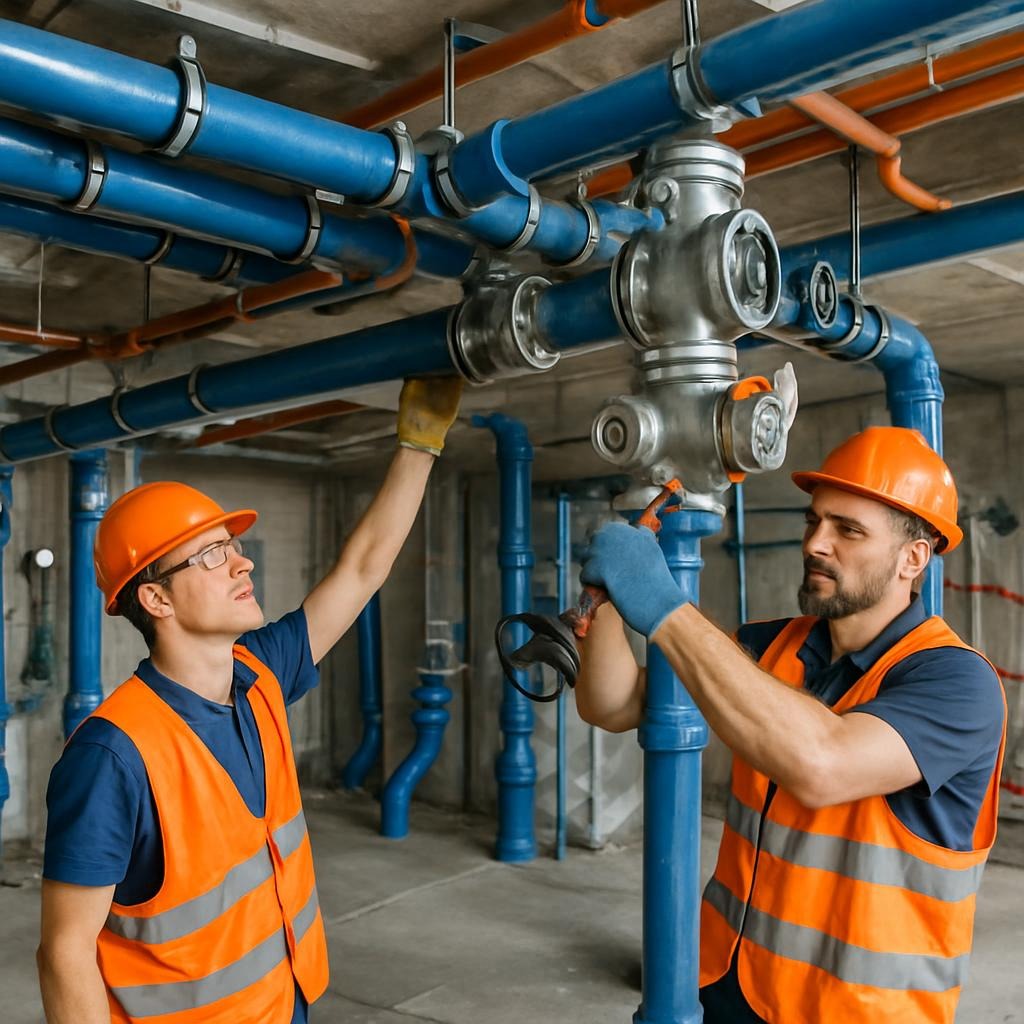
It’s understandable that some organisations question the need for regular reviews, particularly if there have been no known issues or previous positive sampling results. However, Legionella risk is not always visible, and absence of problems does not guarantee that controls remain effective. Changes in building use, periods of low occupancy, or even well-intentioned energy-saving measures can gradually undermine water safety if they are not properly assessed. Reviewing a Legionella risk assessment provides reassurance that current arrangements still reflect how the building is actually being used, not how it was intended to operate years ago. This shift in perspective helps businesses move from assumption-based management to informed decision-making, setting the stage for confident, long-term compliance.
Moving Forward with Confidence
Reviewing your Legionella risk assessment at the right time is essential for maintaining safe, compliant water systems. While a two-year review cycle provides a useful benchmark, real protection comes from recognising change and responding to it proactively. Alterations to water systems, building use, occupancy levels, or monitoring results should always trigger a reassessment, ensuring risks are identified before they escalate. By treating your Legionella risk assessment as a living document rather than a one-off task, you create a stronger, more resilient approach to water safety. Taking the time to review, question, and improve your controls today helps safeguard health, demonstrate responsibility, and maintain confidence in your compliance for the future.

Leave a Reply